

Instagram is testing optional 'AI creator' labels
You are scrolling through your feed. You see an image so perfect it looks unreal. Was it a photo, or was it made by AI?

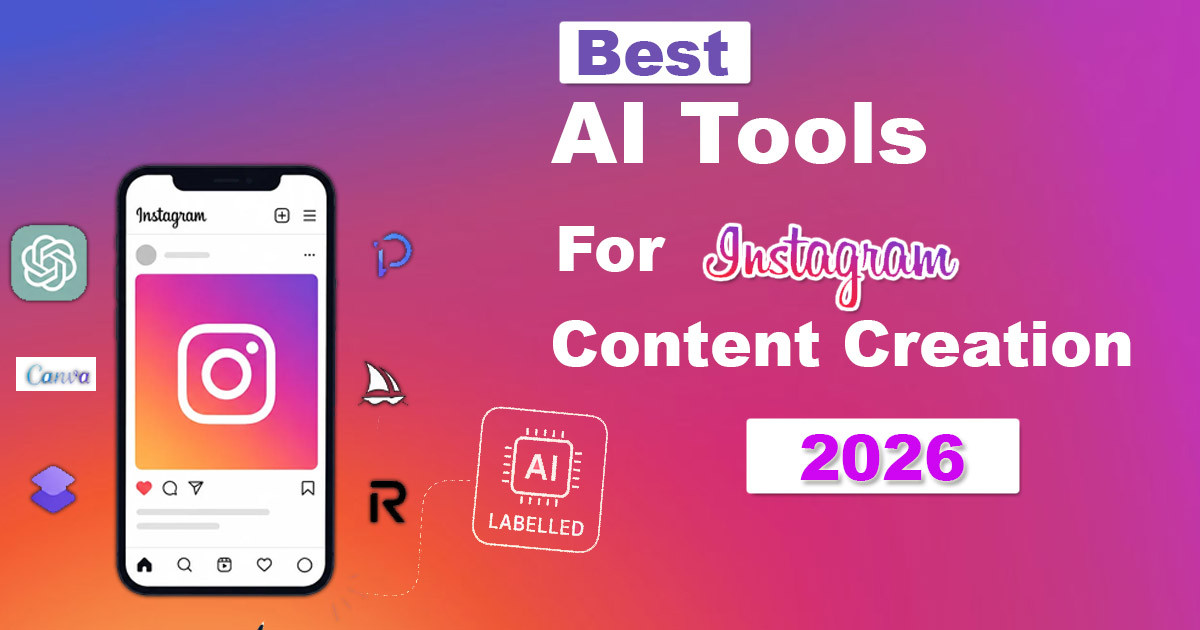
Why Instagram Is Testing Optional AI Creator Labels to Build Trust
You are scrolling through your feed. You see an image so perfect it looks unreal. Was it a photo, or was it made by AI? Since Instagram is testing optional 'AI creator' labels, you might soon know the answer for sure. This experiment looks at how we see truth in the apps we use every day. If creators choose to use these labels, it could change how you interact with the images and videos you see daily.
What to Expect When Instagram Is Testing Optional AI Creator Labels
The push for more clarity started because AI tools have become so good. Anyone can now use programs like Midjourney, DALL-E, or Stable Diffusion to make images that look like real life. Before, you could mostly assume a photo was a real picture taken by a human. Now, that assumption is not always safe. Other social platforms are also starting to talk about how to mark AI content. Instagram wants to make sure its users understand what they are looking at, which is why it is looking into these labels.
How might this actually work for you? The idea is that creators can pick a setting to show they used AI in their post. If they do, a small tag might appear on the post or their profile. This tag tells you that a machine helped make the content. Instagram has not shared every detail yet, but the goal is to make it easy for you to see this info without the label getting in the way of the content.
Creators have different reasons to use or skip these labels. Some creators want to be open with their fans. They might see the label as a way to show they are smart about using new tools. Other creators might worry that the label makes their work feel "lesser." They might fear that fans will trust their art less if they know it was not fully handmade.
How Instagram's New AI Creator Labels Affect Content Creation
The introduction of these labels touches on a big question: what is the difference between human and machine artistry? If a person uses AI to help with lighting or composition, is that the same as a person who paints every pixel by hand? The label could help clear this up. It allows creators to show their process.
Building trust is a major part of being a creator. If you follow someone for their style, you want to know how they make it. Being honest about using AI can actually help that bond. It shows the creator respects their audience enough to be open. When you use AI for repurposing content, it is a tool, not a cheat code. Labels can help frame AI in that way.
However, there is also a risk. Even with a label, some fans might misunderstand. They might think any use of AI means the creator did not put in any work. This could lead to unnecessary backlash. Creators will need to be ready to explain how they use AI. They should show that the AI is just a tool, not the whole artist.
User Perception and the Pursuit of Digital Trust
These labels are not just for creators. They are for you, the user. They help you think critically about what you see. If you know an image is AI-generated, you might look at it differently. You might look for small glitches that AI sometimes makes. This helps you become a smarter consumer of visual media.
This is also a way to fight fake content. We have all seen scary deepfakes or images that are meant to trick people. While these labels are optional right now, they create a culture where people expect to know the truth. This could make it harder for bad actors to spread fake images without them looking obviously suspicious.
Our idea of what is "real" is shifting. We used to think of a photo as a direct record of an event. Now, it is just one type of visual content. As platforms add more AI, we will have to get used to the idea that much of what we see is enhanced or created by machines. Instagram has a big job here. They have to decide how to enforce these rules. If they make the labels mandatory later, it will show they are serious about this shift.
Broader Effects of AI on Social Media
Meta, the company that owns Instagram, is making a clear choice here. They are trying to stay ahead of the curve. By testing this, they show they are thinking about safety. This puts them in a different spot than some other platforms that might be slower to react to AI. We can expect this feature to spread to other Meta apps soon. Facebook and WhatsApp might get the same tools. If it works on Instagram, it makes sense to bring it to the rest of the company's platforms.
There are also larger questions about privacy and data. The AI tools used to make this content need massive amounts of data to learn. Often, that data comes from images people have posted online. This raises questions about who owns the style or the content. These labels do not solve that, but they are a piece of the puzzle. They show that Meta is thinking about the future of digital identity.
Authorship is not what it used to be. If an AI makes the image, but a human writes the prompt, who is the author? These labels show that we are still figuring out the rules. We are moving toward a future where "human-made" might become a label of its own.
Ways to Adapt to AI in Content Creation
If you create content, do not be afraid of these tools. AI can help you work faster and try new things. The key is to be open. If you use AI, tell your followers. Use the label if it is available. It builds a better connection with the people who care about your work. You can be a pioneer by showing how to blend human art with machine help.
If you are a user, stay sharp. Always look at the content you see with a bit of doubt. Check for labels, but do not rely on them alone. Sometimes, people will forget to label their work. If an image looks too perfect or strange, look for clues. Trust your gut. Also, use the feedback tools. If you see AI content that is not labeled, report it. Platforms change their rules based on what you tell them.
Conclusion
Instagram testing optional AI creator labels is a major move. It is a sign that the industry is taking the rise of AI seriously. By giving creators a way to be open, Instagram is trying to keep its space honest and trustworthy. For creators, this is a chance to show their process and build stronger bonds with fans. For users, it is a tool to make better choices about what to trust. We are all learning how to live with AI as a creative partner. Being open and critical will help us all get the best out of this new digital space.
What's Your Reaction?
 Like
1
Like
1
 Dislike
0
Dislike
0
 Love
0
Love
0
 Funny
0
Funny
0
 Wow
0
Wow
0
 Sad
0
Sad
0
 Angry
0
Angry
0














Comments (0)